
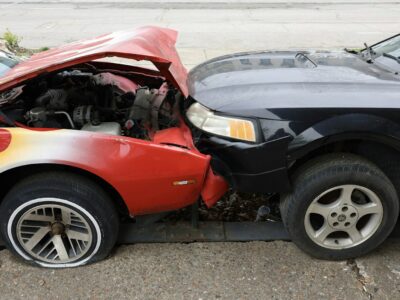
At Long and Jean P.A., we occasionally see cases where someone drives a friend’s or family member’s car and ends up in an accident. In this scenario, you might think that the non-owner driver should file a claim with their insurance company, but this isn’t usually the case.
So, what happens if someone else wrecks your car? In Florida, like other states, your insurance normally serves as the provider of primary coverage — so long as the other person had permission to use your vehicle in the first place.
That said, every situation is different. For example, your insurer might not always pay out, leaving you with thousands of dollars in out-of-pocket costs.
Based in Pompano Beach, Florida, our law firm can represent you when dealing with a denied claim from your insurance company and prevent you from receiving unexpected bills that you just can’t afford.
Contact our legal team today to discuss the details of your case.
Who’s On the Hook After the Crash?
Say a loved one not on your insurance asks to use your car, perhaps because their vehicle has broken down. You agree, give them your keys, and the person ends up in an accident. At this point, you might be asking yourself, “What happens if someone not on my insurance crashes my car?”
The answer normally depends on various factors. However, in most cases, it’s your insurance company, not the other person’s, that will cover the damages. You are ‘liable’ for the accident because you gave someone permission to drive your vehicle.
There’s something else you should be aware of. In Florida, the Dangerous Instrumentality Doctrine states that vehicle owners are legally responsible for injuries caused by someone driving their car with permission. So, an injured party could hold you personally liable for damages that exceed your insurance coverage, even if you weren’t even driving your car at the time of the accident.
Consult with a reputable personal injury attorney to get a clearer answer to the question: “Can I be sued if someone else crashes my car in Florida?”
Will Insurance Cover an Unlisted Driver?
Here in Florida, auto insurance almost always follows the vehicle, not the driver. This means that they extend their coverage to someone not listed on your insurance but who has permission to drive your car, which is known as “permissive use.” There are some exceptions to this rule, however, which you’ll learn about later.
If someone with permissive use of your vehicle gets into an accident, you’ll want to check your insurance documents carefully. There should be a clause that says the insurer will provide primary coverage in this situation, up to a specific dollar limit. If so, you’ll need to file a claim with the company and follow their instructions on what to do next.
You may face a situation where the damage from a car accident exceed your insurance policy limit. If this is the case, you may also be able to file a claim with the other person’s insurer to cover the coverage gap, reducing the likelihood of out-of-pocket costs.
If any of the above sounds complicated, don’t worry. A reputable personal injury attorney in Pompano Beach can help you understand complex insurance rules and what happens if someone else wrecks your car.
When the Driver (Not You) Could Be Held Liable
There are various scenarios where the person driving your car could be responsible for damage and not you:
- If someone drives your car without your permission and gets involved in an accident, they may be liable for damages. In this situation, you’ll need to file a claim with their insurance company.
- The other person could be liable for damages if they are negligent, which means they didn’t take proper care in doing something. For example, if they are driving while under the influence of drugs or alcohol. An insurer may assess negligence during the claims process, but ultimately, it could be up to the court to determine whether the driver was at fault.
- If the driver is excluded from your insurance policy for whatever reason, they could be liable for damages if involved in an accident.
Did You Give Permission or Not?
Whether your insurance company will pay out for damages all depends on whether you gave someone permission to use your vehicle. Permissive use can be a vague term and may mean different things to different insurance companies.
Understanding Permissive vs. Non-Permissive Use
Permissive use basically means allowing a driver not listed on your car insurance policy to use your vehicle for a certain amount of time. This could be a friend, family member, colleague, or someone else entirely. Most auto insurance policies have a permissive use clause, meaning the insurer will often cover the costs of damages if a permitted driver gets into an accident in your vehicle.
For permissive use to apply, a car owner needs to give explicit or implied permission to another person. Explicit permission might mean you agree verbally or in writing to let someone use your vehicle. An example of implied permission is when a family member drives your vehicle because you have allowed them to do so several times in the past.
Non-permissive use means someone drives your vehicle without your permission. In this event, your insurer might not cover the costs of damages if that person gets involved in an accident. You’ll have to file a claim with their insurance company instead.
Examples of non-permissive use include:
- A friend takes your car keys and drives your vehicle, even though you have explicitly told them not to in the past.
- Someone steals your vehicle from your driveway.
- Your child takes your car for a joyride.
What If Someone Took Your Car Without Asking?
A person may take your vehicle without your permission and end up in an accident. This might be someone you know or don’t know. Most auto insurance policies cover permitted drivers; however, unauthorized use of a vehicle can void your policy completely, meaning you’ll have to deal with their insurance company (if that’s possible).
There are other things to think about if someone took your car without permission. For example, you’ll likely want to file a police report and consider pressing charges.
Will Insurance Cover the Damage?
If you allowed someone to drive your vehicle and they were involved in an accident, your insurance company will likely cover damages up to your policy limit. However, it all depends on the specifics of your coverage, the driver’s circumstances, and other factors.
When Your Policy Applies
In most cases, your insurance company will cover damages after an accident if you have given the driver explicit or implied permission to use your vehicle. However, you’ll want to check the specifics of your policy to see how it defines a permitted driver. For example, your auto insurance may only apply to a permitted driver if they have a valid driver’s license and a good driving history. You might want to contact your insurer to learn more before allowing someone to drive your car.
When Can Coverage Be Denied?
Just because you authorized someone to drive your vehicle, it doesn’t always mean your insurer will cover damages after an accident. You may be denied coverage in the following circumstances:
- The permitted driver was speeding, texting while driving, or otherwise negligent.
- The driver is specifically excluded from your policy, perhaps because of their previous driving record.
- Damages from the accident exceed your policy limits.
What Parts of an Insurance Policy Apply?
Different components of an auto insurance policy may or may not apply when someone uses your vehicle with your permission:
- Liability coverage: Your insurer will likely cover property damage that resulted from an accident involving a permitted driver.
- Medical payments/PIP: Insurers tend to extend medical payments and personal injury protection (PIP) to permitted drivers. However, it depends on the specific company, so check your policy documents.
- Collision coverage: Whether an insurer pays out for collision coverage for an accident involving a permitted driver depends on several factors. If they do, the coverage limit may be lower than usual.
How Insurance Treats Undisclosed or Non-Listed Drivers
Undisclosed or non-listed drivers are those who use your car with your permission but whom your insurer doesn’t know about. While many policies have permissive use clauses, not listing these people on your insurance may lead to various problems:
- Claim denial: If an insurer doesn’t have a permissive use clause, you won’t be able to file a claim when an undisclosed driver has an accident, potentially leaving you with out-of-pocket costs for damages.
- Cancellation of your policy: Your insurance company may accuse you of misrepresentation if an undisclosed driver uses your car regularly, resulting in them canceling your policy. You’ll have to find another insurer, which could work out more expensive.
- Increased premiums: When your insurer covers damages from an accident involving a permitted driver, they might then raise your premiums, especially if they perceive your vehicle to be at a higher risk.
When someone drives your vehicle regularly, you may want to add them to your policy if your insurance company allows this. Doing so can prevent complications down the line. However, be aware that your monthly premiums may increase as a result, especially if you’re adding a young or other high-risk driver.
Undisclosed drivers may include:
- Immediate family members not listed on your policy
- Extended/visiting family members
- Friends
- Roommates
- Work colleagues
- Staff who work for you
Household Exclusions and Policy Fine Print
Some insurers have a household exclusion clause that can affect coverage for accidents. This clause excludes accident coverage for certain members of a household, such as family members who have access to the policyholder’s vehicle. For example, an insurance company may not pay out if an undisclosed teenage child drives a motorcycle belonging to their father (the policyholder) and gets into a motorcycle collision, even if the father gave permission. Check your policy’s fine print to see whether this is the case.
Normally, your insurance company expects you to cover all potential drivers in your home under your auto insurance policy. They can deny an accident claim involving a household member if you fail to do so. To prevent this from happening, tell them about everyone in your property who might use your vehicle in the future. You can do this by logging into your insurer’s online portal and updating your list of drivers.
When You May Need Legal Help
Generally, your auto insurance policy will extend to other people you authorize to drive your vehicle, thanks to permissive use. If a permitted driver has an accident in your car, you should be able to claim damages. However, there may be a scenario where your insurer makes your life difficult.
Denied Coverage or Injury Disputes
Your insurance company may deny your claim, perhaps because you didn’t list a driver on your policy or your permitted driver was negligent. If this happens, you might be left to cover damages out of pocket.
Problems can also occur if your permitted driver was involved in a serious accident, resulting in an injured party holding you personally liable for damages that exceed your insurance coverage (as per the Dangerous Instrumentality Doctrine).
If your insurer denies coverage or you encounter an injury dispute, it’s important to contact a personal injury lawyer in Florida as quickly as you can. The right firm can negotiate with insurers and injured parties on your behalf, providing peace of mind.
You may also be able to sue your insurance company if they wrongfully deny your claim. This could result in a court awarding you the following:
- Economic damages — financial losses
- Non-economic damages — intangible losses like emotional distress
- Punitive damages — awarded by the court if a company’s behavior is harmful
Statutes of limitations — the deadlines for filing a lawsuit — exist for taking an insurer to court in Florida, so it’s best to act quickly if you have a denied claim.
The Risk of Being Blamed for Someone Else’s Mistake
Sometimes, your insurer may blame you, the vehicle owner, for an accident involving a permitted driver. For example, if you have a truck, they might claim that you knew the driver was negligent and a high risk for a truck accident, resulting in a denied claim or disputed damages.
Again, it’s essential to contact an attorney if the above happens. A great car accident lawyer can fight your case with your insurance company and get you the justice you deserve.
How Our Lawyers Can Help
Don’t panic if your insurance company denies your claim or shifts the blame to you. We’ve handled many similar cases in the past and know what to do when things get complicated. If you feel stressed or confused, remember that our team is here to fight your corner.
At Long & Jean, P.A., we can help you at every step, from investigating the car accident to reviewing your policy to representing you if your case goes to court. We can also provide ongoing support at this challenging time. Unlike some other law firms, we operate on a contingency basis, meaning you won’t pay a dime out of pocket for our services unless there’s a successful outcome.
So, what are you waiting for? Contact us at 954-597-6770 or online to schedule your complimentary consultation and learn more about what happens if someone else wrecks your car.