Autonomous Vehicles in Florida: Key Takeaways
- Working out autonomous vehicle accident liability in Florida is difficult. Sometimes, the motorist of a self-driving car might ignore safety warnings or overestimate the vehicle’s capabilities, resulting in a crash. Other times, design flaws or software problems are to blame.
- Features in self-driving vehicles may shift responsibility after a car accident from the driver to the company that manufactured or programmed it.
- Vehicle data, software logs, and maintenance records are pieces of evidence that can prove who or what is liable.
- A car crash attorney in Florida, like Long & Jean, P.A., can determine fault and protect your legal rights.
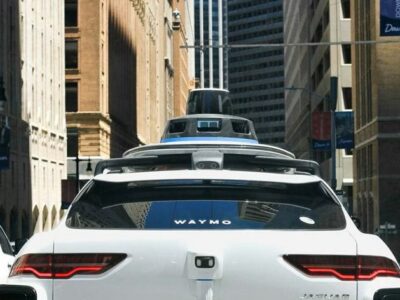
Self-driving cars are popping up everywhere in Florida, with Waymo recently announcing its robotaxi service in Miami. But when they crash, figuring out who (or what) is liable can be more difficult than with a regular vehicle. If a car can drive itself, is the human driver really to blame?
Determining autonomous vehicle accident liability in Florida is complicated, so we clear up some of the confusion below.
Have you been involved in a car crash with a self-driving vehicle? This may be a stressful or traumatic time, but Long & Jean, P.A. can help. Contact us for a free consultation.
What Is an Autonomous or Semi-Autonomous Vehicle?
Here’s the simplest explanation:
- Fully autonomous vehicles drive themselves with no help from a human driver, using sensors and radar to navigate the roads. The new Waymos you might see in Miami are an example.
- Semi-autonomous vehicles are far more common than autonomous ones. They can steer, brake, accelerate, lane-keep, and perform other actions on their own, but only in some situations. A driver still has to stay alert and be ready to take control if something goes wrong, which unfortunately can happen.
Whether a car fully or partially drives itself is important when it comes to autonomous vehicle accident liability in Florida.
Generally speaking:
- If an autonomous vehicle crashes, liability may shift from the driver to the manufacturer or company that created its software. Autonomous car crash responsibility may also lie with a ride-sharing company like Uber or Lyft.
- If a semi-autonomous vehicle crashes, the driver may bear all the blame.
It all depends on the conditions of the crash, who else was involved, and other factors. We expect Florida self-driving car laws to change in the future as these vehicles become more popular, which could complicate liability further.
This is where a Florida car accident attorney comes in. We can help you determine whether the other driver was negligent, which means they failed to take reasonable care to avoid causing harm.
Traditional Car Accident Liability in Florida
Here in Florida, we have a no-fault insurance system. That means you’ll use your Personal Injury Protection (PIP) if you’re involved in a car accident, no matter who’s at fault.
However, this insurance doesn’t always cover everything. Say you have extensive injuries after a collision and now face expensive medical bills and lost wages. You may be able to pursue a personal injury claim against the responsible party.
In a “regular” car accident, the responsible party is usually the other driver, perhaps because they were speeding or driving under the influence of drugs. However, things aren’t as clear-cut when a self-driving car is involved.
How Self-Driving Features Complicate Fault After a Crash
It’s a little harder to determine a responsible party when a car has autonomous technology.
Driver Responsibility and Misuse of Technology
Drivers might still be at fault for a crash if they misuse features on a self-driving car or ignore system warnings.
Say a motorist relies too heavily on a semi-autonomous vehicle’s lane-keeping feature or adaptive cruise control. They might overestimate the car’s capabilities and think they don’t need to stay alert. If the driver becomes distracted and it leads to a crash, they could be held liable.
Manufacturer and Software Company Liability
In other cases, the car itself could be to “blame.”
For example, a self-driving car might crash because the manufacturer didn’t design it properly. Or there might be a system malfunction from the software developer that the driver had no control over.
Here is where product liability for autonomous vehicles might apply. An accident victim may be able to file a claim against a manufacturer, developer, or other responsible party if a defect (something wrong with the car) caused them harm, especially if the company failed to warn about the dangers.
We often see that there’s more than one reason a car crash happens. For example, the motorist of a self-driving car ignores system warnings, while another motorist drives while texting. In this situation, comparative negligence could come into play. In Florida, multiple parties can share fault after an accident, with compensation potentially being reduced by each person’s percentage of responsibility.
When determining liability, expert legal guidance from a self-driving car accident lawyer in Florida always proves useful. With help from experts, the right attorney can examine the vehicle’s technology before and during the crash to work out fault.
Common Accident Scenarios Involving Autonomous and Semi-Autonomous Vehicles
According to the NHTSA, there have been 266 reported crashes involving autonomous vehicles (defined as ADS-engaged vehicles) and 29 crashes involving semi-autonomous vehicles (ADAS-equipped vehicles) in Florida through December 15, 2025.
Here are some ways autonomous and semi-autonomous vehicle accidents happen:
- Not seeing pedestrians: A self-driving car’s cameras or sensors might fail to notice someone crossing the road or riding a bike, resulting in a collision. This can happen if the software misinterprets objects.
- Change in car control: If a semi-autonomous car hands back control to the driver without much warning, they might not respond quickly enough, leading to a serious crash.
- Software makes mistakes: Sometimes, a vehicle’s software may misjudge distance, speed, traffic flow, or other factors. This can be extremely dangerous, especially if the driver isn’t paying attention.
- Lane changes: A vehicle might not detect a car in another lane because of a blind spot in its sensors, causing a crash when it changes lanes.
- Rear-end collisions: If a car stops too quickly or not quickly enough, it could hit the vehicle in front or behind it.
- Auto-braking fails: When an auto-braking feature doesn’t work when it’s supposed to, a self-driving car can crash into another vehicle or pedestrian in a Florida neighborhood within mere seconds.
Of course, there might be accident scenarios that had nothing to do with an autonomous car’s software or features. Just like with regular cars, drivers can run red lights, drive under the influence, or make other mistakes that ultimately put lives at risk.
The point here is that determining autonomous vehicle accident liability in Florida is complicated and often requires the help of experts and an experienced attorney.
Evidence That Can Help Prove Liability in Autonomous Vehicle Cases
Driverless car crash claims are often complicated, especially if there’s more than one possible cause for a collision. A self-driving car accident lawyer in Florida, like Long & Jean, P.A., can work with various experts to help determine liability and hold the responsible party accountable for their actions. Here’s some of the evidence we might consider:
Vehicle Data Logs
Both autonomous and semi-autonomous cars record a great deal of data about speed, steering, and braking. They can also reveal whether the car’s system or the driver was in control at the time of the crash. Evidence like this is extremely helpful when determining liability and can help strengthen your claim.
Software Version History
By looking at a self-driving car’s software version and updates, experts might be able to determine whether the vehicle was working as it should have before a crash happened. For example, if software hadn’t been updated in a while, this may have led to a malfunctioning system that caused a crash.
Car Maintenance History
Just like in a regular automobile accident claim, checking a self-driving car’s maintenance history is important for determining liability. If a vehicle were in a bad condition, it could have contributed to a crash.
Traffic Footage
Real video from dashcams and traffic cameras can reveal exactly how a crash occurred and the moments leading up to it. This footage may support your version of events and prove that you were not in any way responsible for the accident.
Manufacturer Manuals
Instruction booklets and other documentation explain how to use a self-driving car safely. If a driver failed to follow the information properly, they might be responsible for a crash. At the same time, a manual might contain misleading or incorrect instructions, potentially making a manufacturer accountable.
Accident Reconstructions
In some cases, accident experts reconstruct a crash using vehicle data and other information. This can help explain why an incident happened and serve as critical evidence for a claim.
Eyewitness Testimonies
If anyone saw a crash happen, they might be able to determine which party is responsible.
How To Pursue a Claim, and What Damages May Be Available
Florida law allows you to file a claim for any losses you suffered after a self-driving vehicle accident. This involves proving who or what was responsible for the crash and how it affected you.
You may be able to seek compensation for:
- Economic damages: Financial losses resulted to your injuries, such as medical bills and lost wages
- Non-economic damages: Losses that you can’t put a price on, such as emotional trauma and pain and suffering)
In rare cases, the court might award additional compensation called punitive damages. These are meant to punish the responsible party for their wrongdoing in cases of extreme, malicious, or negligent misconduct.
Pursuing a claim after an accident can be exhausting. You’ll need to collect evidence to prove fault and negotiate with the at-fault party‘s insurance company for a fair and full settlement. In our experience, insurers often try to downplay injuries or claim the victim caused the accident, which is extremely stressful.
You’ll also have to act quickly. Florida generally gives you two years from the date of the accident to file a personal injury claim. This is known as the statute of limitations.
A Florida car accident attorney can do all this hard work for you while you focus on recovery. Our experienced legal team knows the dirty tricks insurers use to minimize payouts, so we’ll fight for justice on your behalf.
Injured in a Crash Involving Self-Driving Technology? Talk to a Florida Attorney
Whether you’re the motorist of a self-driving vehicle or got into an accident with one, the right attorney can stand in your corner and seek compensation that might be rightfully yours.
Long & Jean, P.A. has extensive experience with tech-heavy car accident cases, including those involving both autonomous and semi-autonomous vehicles. Our team can:
- Investigate your accident and determine fault
- Consult with witnesses and experts to strengthen your claim
- Negotiate with insurance companies to increase your chances of full compensation
- Take your case to court, if necessary
Have you been involved in an incident involving a self-driving vehicle anywhere in the Sunshine State? Contact Long & Jean, P.A. for a FREE consultation about autonomous vehicle accident liability in Florida. Alternatively, call us at (954) 715-2400.
We operate on a contingency basis, which means you won’t pay anything unless you have a successful outcome.
Justice starts right here.