

Key takeaways:
- Free consultations about your slip/trip and fall injury claim
- Hired on a contingency basis: no fee unless we win
- Serving slip and fall victims throughout Florida
If you’ve experienced a slip/trip and fall, you’re not alone. We often see cases involving these types of accidents, which may leave victims confused, stressed, and even traumatized.
So, what should you do after a slip/trip and fall? The good news is that you don’t have to suffer in silence. Working with an experienced premises lawyer in Pompano Beach, Florida, can help you receive the compensation you deserve.
A premises liability claim in Florida can be complex. A slip/trip and fall attorney can help you navigate such issues as gathering evidence and what to do if you’re partly at fault.
In this guide, we’ll explain the common causes of slip/trip and fall accidents, what to do after an injury, and the damages you might be entitled to in the Sunshine State.
You’ll also learn the benefits of working with a premises liability lawyer who can fight in your corner and help you navigate the complicated legal system.
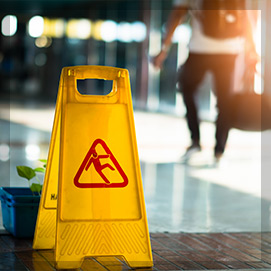
Injured in a Slip/Trip and Fall Accident in Florida?
A slip/trip and fall accident usually happens when someone loses their balance on a foreign substance or dangerous condition like uneven floors, which result in bodily injuries from the fall. Some common examples of slip and falls or trip and falls are:
- Wet floors
- Substances (liquid or solid) being left on the floor without timely remediation
- Uneven surfaces
- Poor lighting in apartment hallways
- Broken stairs
- Dangerous walkways in stores
- Cracks in parking lot pavement
Most slip/trip and falls are preventable. Unfortunately, the business or property owner may not take the necessary steps to ensure the safety of its visitors.
Under Florida law, the burden of proof in premises liability claims is on the injured person to show the accident occurred because the business or property owner was negligent in its maintenance. It’s not always easy to demonstrate the business owner failed in their safety responsibilities, especially if you leave right after the incident without properly documenting it. It is very important that you immediately have the business owner document the incident and prepare a report. If they are unwilling to do this, call 911 and have the responding officer document the incident and take reasonable measures to document everything you can with photographs, videos, and the identity of potential witnesses.
If you end up filing a lawsuit, you have to show:
- There was a dangerous condition
- The property owner knew or should have known about the dangerous condition
- The property owner failed to remedy the dangerous condition or warn people of it
This is where a good slip/trip and fall attorney in Florida comes in handy. They can help you build a solid case and provide the legal support you need at this difficult time.
Slip/trip and fall cases fall under premises liability, an area of law that holds property owners accountable for dangerous conditions. Slip/trip and fall claims result from premises owners neglecting the maintenance and repairs of a property, whether commercial or residential.

Common Causes of Slip/Trip and Fall Accidents
Slip/trip and falls can happen pretty much anywhere, but some places pose a greater risk:
- Retail stores, restaurants, and grocery chains: High foot traffic leads to wet floors from spilled liquids and other substances.
- Apartment complexes, parking garages, and walkways: Dim or broken lighting in stairwells and hallways can lead to falls, while uneven or broken pavements can pose a dangerous condition that causes people to trip and fall. An apartment complex fall injury claim can be filed by a resident or visitor to the property.
Regardless of the location, various dangerous conditions can cause someone to slip/trip and fall.
These include:
- Carpets, rugs, and other types of flooring that aren’t secured properly
- Cluttered aisles in grocery stores and other retail locations
- Slippery sidewalks and walkways caused by excessive rain, snow, ice, and other weather events
- Poorly lit parking garages and other public areas
- Broken/missing stairs or stairs with no handrails
- Dirt and debris on walking surfaces
Putting up a “wet floor” sign or other warning isn’t always enough to get a property owner off the hook. It all depends on the circumstances and what happened. Consult with a Pompano Beach slip/trip and fall accident attorney to better understand your rights under the law.

Who May Be Liable for Your Slip/Trip and Fall Injuries?
Under Florida law, both public and private property owners have a responsibility for safe use of their spaces. They must fix a dangerous condition as soon as they become aware of it and warn passersby with proper signage. Failing to do so can lead to liability for injuries.
A court may look at different factors to determine negligence, such as:
- Whether the property owner knew about the dangerous condition
- How long did it take for them to address the dangerous condition
- Whether they fixed the dangerous condition
If you’ve experienced a slip/trip or fall due to a negligent premises owner, you may be able to file a claim. Contact an experienced Florida slip/trip and fall lawyer to help you receive what the law affords. Contact your legal team.
Visit our FAQ page to find answers to commonly asked questions about slip and fall injuries.
Florida’s Transitory Foreign Substance Statute
Florida Statutes, 768.0755, identifies the burden the injured person must meet to show the business establishment was potentially negligent in maintaining their premises. This statute specifically applies to most slip and falls involves substances and requires that the injured party establish the business had actual or constructive knowledge of the dangerous condition and should have taken action to remedy it. While this may seem straightforward, there are many legal nuances to what may constitute actual or constructive notice. This is why retaining an experienced attorney matters.
What to Do After a Slip/Trip and Fall Accident
It’s important to seek medical attention after a slip/trip and fall. If possible, you’ll also want to gather important evidence. Try to collect evidence like:
- Photos or videos of the area of the fall
- Employee incident reports or on-site accident reports
- Witness information (names and contact information)
- Clothing and shoes you were wearing
- Medical records of your doctor’s visits and treatment for injuries
The more evidence you collect, the better. You’ll also want to do it as soon as you can.
The statutes of limitations for personal injury cases, such as those that involve slips/trips and falls, set a time limit for when you can file a lawsuit. Florida has a two-year limitation period to file.
Your injuries have a direct impact on your possible compensation in a slip/trip and fall case. Keep evidence of your physical injuries, including doctors’ reports.
Many slip/trip and fall injuries require ongoing medical care and rehabilitation. These can result in:
- Contusions
- Knee injuries
- Broken bones
- Herniated discs
- Spinal cord injuries
A legal claim for these types of injuries relies on solid evidence, so keep all your documentation.
How Our Slip/Trip and Fall Lawyers Can Help You
Slip/Trip and fall accidents are among the most misunderstood types of personal injury claims. Some people are unsure about what to do after a fall and may not even seek medical treatment.
If you or someone you know has experienced a slip/trip and fall, realize you have the right to file a claim and fight for compensation for any injuries, medical bills, or other expenses.
To better understand your legal rights following a slip/trip and fall accident, call Long & Jean, P.A., today to schedule a free slip/trip and fall case review. Our personal injury attorneys serving Pompano Beach, FL, will ensure your legal rights are protected.
Being able to prove negligence after a slip/trip and fall accident is difficult. Property owners can nonetheless be held liable for failing to reasonably maintain their premises.
How Insurance Companies Try to Minimize Liability
After a slip/trip or fall, a premises owner’s insurance company may pressure you into accepting a nominal settlement and downplay the extent of your injuries. They might try to make you think that the accident was your fault.
If any of this occurs, contact a slip/trip and fall attorney like Long & Jean, P.A., right away. We understand how insurance companies work. They defend their own interests, not yours. Let us fight for yours.
Among other things, HB 837, which went into effect in March of 2023, reduced the statute of limitations for negligence actions from four years to two years. This means you have less time to file a claim after a slip/trip and fall accident caused by a negligent premises owner.
Two years may still seem like a long time to pursue something like this; however, most attorneys use as much time as possible to build a strong case and will attempt to negotiate a settlement before filing a lawsuit in the Florida courts.
What a Successful Claim Can Cover
Receiving just compensation for your damages is the core of a slip/trip and fall case. While some damages may be simple to calculate, others can cause major issues, especially if you are trying to handle your case alone.
While insurance companies are quick to pay for immediate medical bills and sometimes lost wages, there are many other types of damages they might fight against paying.
Economic Damages
Economic damage refers to the monetary impacts of a slip/trip and fall, such as:
- Current and future medical bills
- Rehabilitation and therapy costs
- Lost wages
Calculating economic damages is not as simple as it may seem. There are various types of economic damages that can result from a slip and fall injury and not all of them come with an invoice.
Working with an experienced legal professional is the best way to identify all potential economic damages and factors that can significantly impact your compensation.
Non-Economic Damages
Non-economic damages recognize that there are significant impacts from a slip/trip and fall injury that don’t have an immediate dollar value. These damages often include:
- Pain and suffering
- Diminished quality of life
- Loss of enjoyment
- Mental health impacts
Trying to calculate a dollar value for something like pain and suffering is not easy math. Insurance companies are often quick to push back. Our slip/trip and fall attorneys have years of experience representing the interests of injured people and can stand up for recognition of your real losses.
Punitive Damages
The property owner responsible for your slip/trip and fall injuries may also be on the hook for punitive damages. These are relatively rare. They give the court a way to send a message about particularly bad conduct on the part of a lawsuit defendant. Punitive damages might come into play if there’s gross negligence or malicious intent.
What Comparative Negligence Means for Your Case
Comparative negligence is when a court assigns a percentage of fault to each party involved in a slip/trip and fall case. For example, if a judge or jury finds you 30% responsible for the accident, they may reduce your compensation by that amount.
Under Florida’s comparative negligence system, a judge or jury can bar you from receiving damages if they deem you to be more than 50% responsible for a slip/trip and fall accident. For example, if they think you are 51% or more responsible, you might not receive any compensation at all.
Understanding what comparative negligence means is critical, so work with a premises liability lawyer in Florida[1] who knows this area of the law and can best protect your interests.
Why Choose Our Firm for Your Slip and Fall Case?
At Long & Jean, P.A., we take multiple factors into account to properly build slip/trip and fall cases for our clients. Our high level of attention to detail ensures we can represent people with integrity and strong advocacy.
Florida law requires a thorough investigation to highlight relevant evidence that can prove causation and damages after an accident. Working with our team can help you navigate the legal requirements of a slip/trip and fall case, whether your injury took place at a private property, commercial property, or in a public area.
As we evaluate evidence relevant to factual and legal issues concerning the premises, we look for the following:
- Poor lighting
- History of accidents
- Configuration of walkways
- Maintenance procedures and logs
- All accident reports and documentation
- Witnesses, including the manager or owner
- Flooring with inadequate slip resistance
Adequacy of warnings and barriers placed near the dangerous condition
A personal injury can severely impact your life in numerous ways. That’s why you deserve the right legal representation. When a property owner or manager fails to protect the public from dangerous conditions they knew or should have known about, it is our legal duty to fight for your rights.
When you choose to work with a South Florida slip/trip and fall law firm like Long & Jean, P.A., you are working with a qualified team that will guide you through the process of seeking medical attention, diagnostic evaluations, and everything you’ll need to build your case up for success.
If you or someone you know has suffered from a slip/trip and fall accident, contact us at 954-597-6770 or schedule a complimentary consultation online with our Pompano Beach personal injury office.
When a property owner or business establishment fails to ensure a safe environment for its visitors, like you, Long & Jean, P.A., is here to protect you.
Frequently Asked Questions About Slip/Trip and Fall Claims
Even after reading this guide, you might still have questions about your slip/trip and fall claim. Here are answers to a couple of the most common questions we hear at our practice.