Why Storm Injuries Are Personal Injury Claims, Not Property Claims
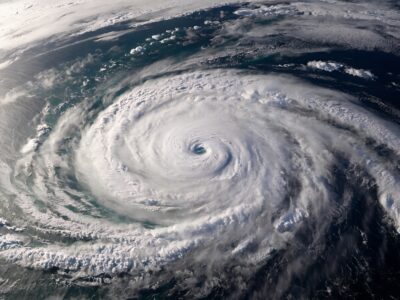
Forty-one percent of all hurricanes in the United States hit Florida and put residential and commercial properties at risk. They also cause serious injuries when businesses, landlords, and homeowners don’t take the right safety precautions.
Here are some situations that may lead to a storm injury claim:
- A business in Broward County forgets to secure outdoor signage or other loose objects, and a customer gets injured.
- A property owner fails to remove debris from stairs or a walkway after a storm, causing someone to trip or slip and fall.
- A landlord doesn’t repair a damaged roof, a ceiling collapses, and a tenant is injured.
Over the years, we’ve represented clients who have suffered storm-related injuries due to someone else’s negligence. Our team investigates what happened, identifies who’s at fault, and holds the responsible party accountable.
Dark Intersections: Florida’s Four-Way Stop Rule When Signals Fail
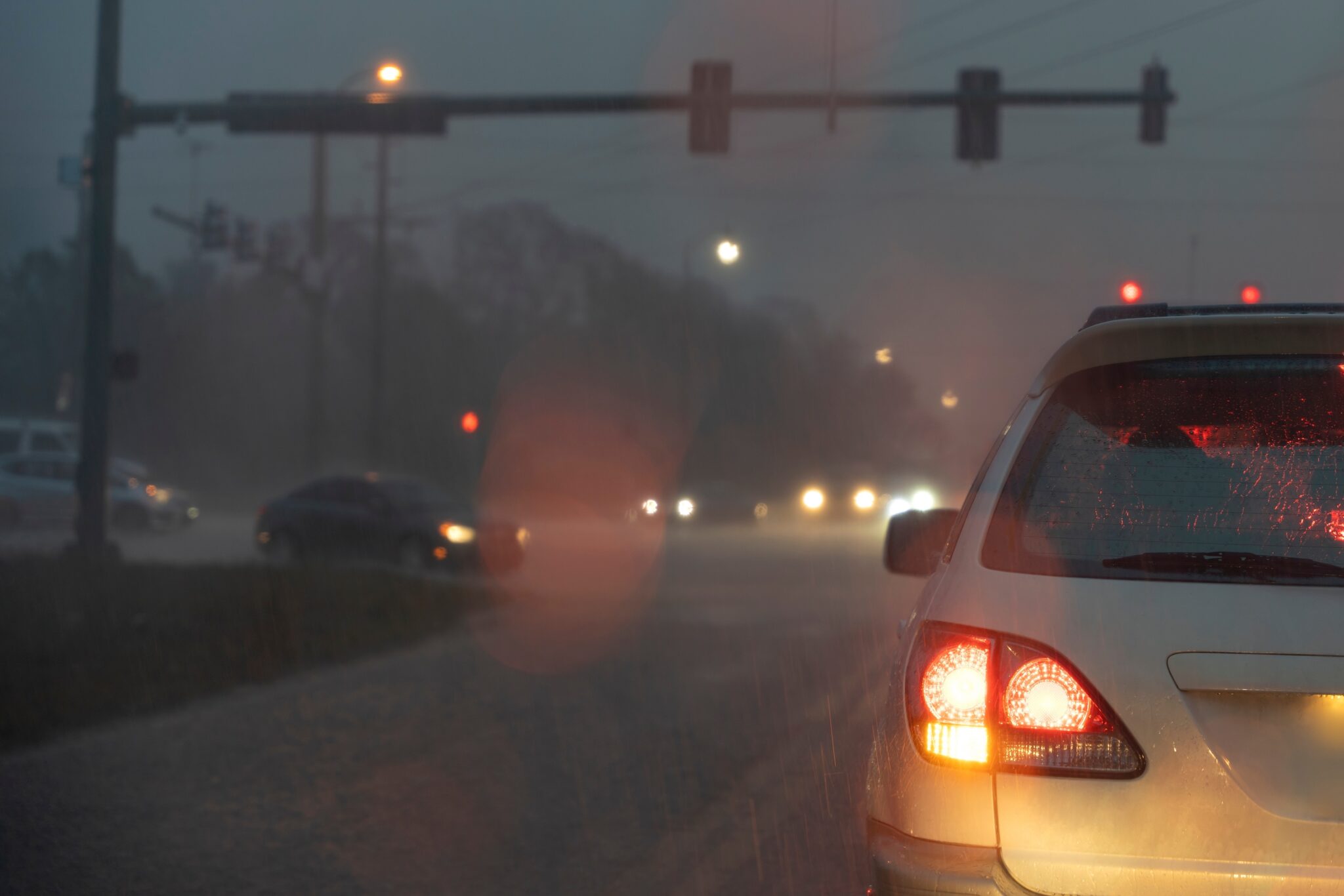
Another danger during hurricane season in Broward County is malfunctioning traffic lights. Motorists might not know who has the right of way, or they drive through intersections without stopping.
Florida law generally requires drivers to treat an intersection as a four-way stop when traffic lights aren’t working. They must stop and follow right-of-way rules.
If you’re injured and another driver didn’t comply with the law, you may be able to seek damages. Our team can investigate and obtain any traffic cam footage and witness statements to support your claim.
You may be able to pursue the following damages from your accident and injuries:
- Economic damage, including medical bills and lost wages
- Non-economic damage, which covers pain, suffering, and other intangible losses
- Punitive damages, which a court may award in some cases when the responsible party has been particularly negligent
Downed Power Lines and Utility Liability
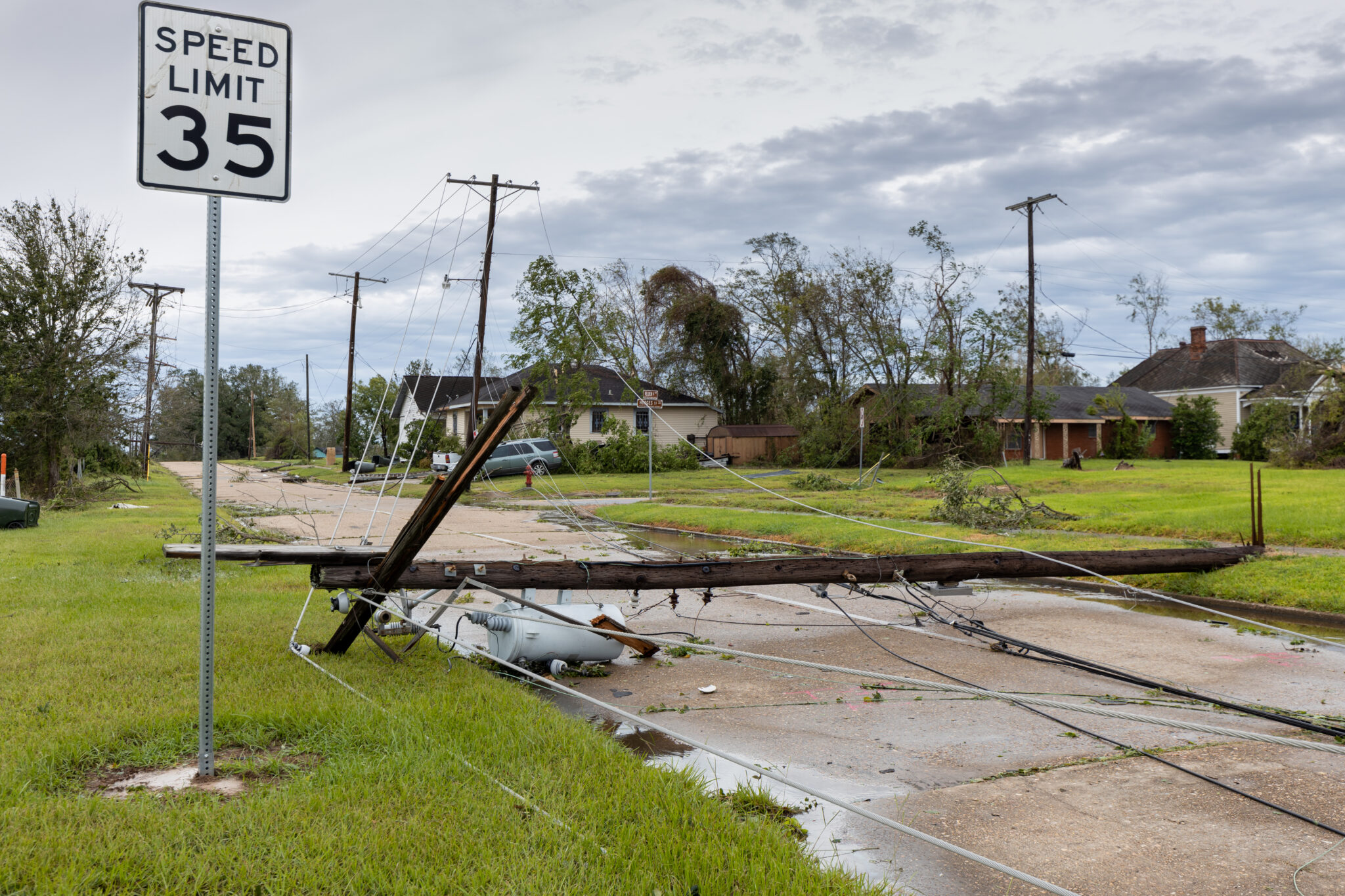
A major problem during and after a hurricane is downed power lines on sidewalks and roads. If they still carry electricity, anyone who gets too close can be at serious risk of injury or even death.
You may think that utility companies are automatically responsible for injuries caused by downed power lines. However, you need to establish negligence in a personal injury case, which isn’t always clear-cut.
If a company was aware of a downed line and failed to take reasonable safety measures, they may be responsible for someone’s injuries. But proving negligence can be complicated, which is why we recommend talking to an attorney.
Here at Long & Jean, P.A., we can determine whether you have solid grounds for a personal injury claim that involves a downed power line. If you have a case, our team can communicate with the utility company while you focus on recovery.
Generator Carbon Monoxide: Landlord and Property Manager Duty
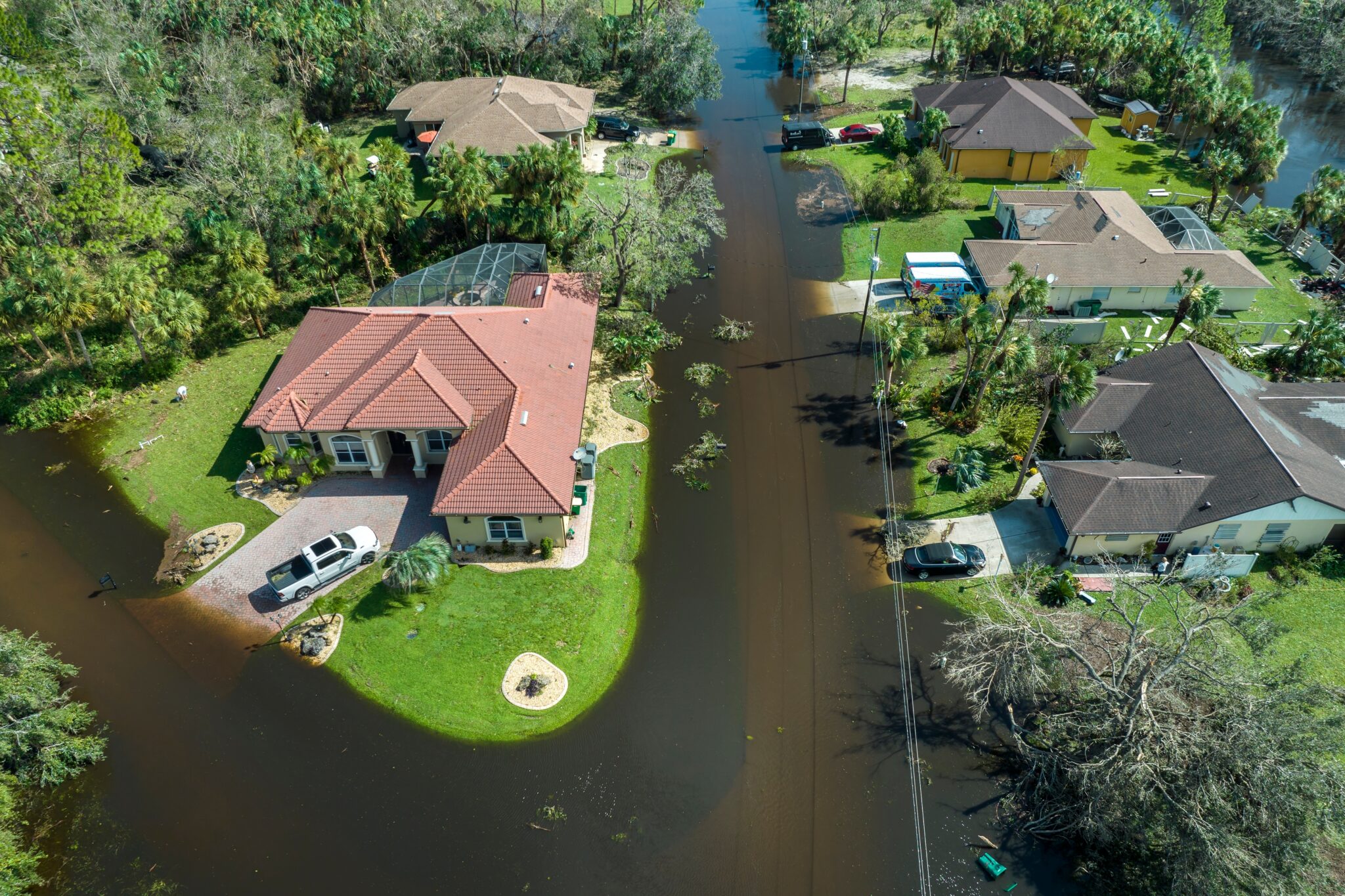
Generators are extremely helpful when the power goes out during hurricane season. However, using one too close to a building or indoors can create a carbon monoxide risk. Carbon monoxide is dangerous because you can’t see it or smell it, and people can become seriously ill without knowing why.
A property owner or manager might be responsible for carbon monoxide-related injuries, but you need to prove negligence for a successful personal injury claim. For example, if a property owner lent you an old portable generator without a warning label and failed to warn you about the potential dangers, they may be at fault.
Our attorneys determine whether someone acted negligently and is responsible for damages under Florida law. If so, we can help you pursue compensation for medical bills, pain and suffering, and other losses.
Regardless of what happened, dealing with injuries that aren’t your fault can be stressful. That’s why we handle everything if you decide to take legal action. Our team will communicate with you during the process so you know what to expect. We can also represent you in court, if necessary.
Nursing Home Emergency Power and Evacuation Requirements
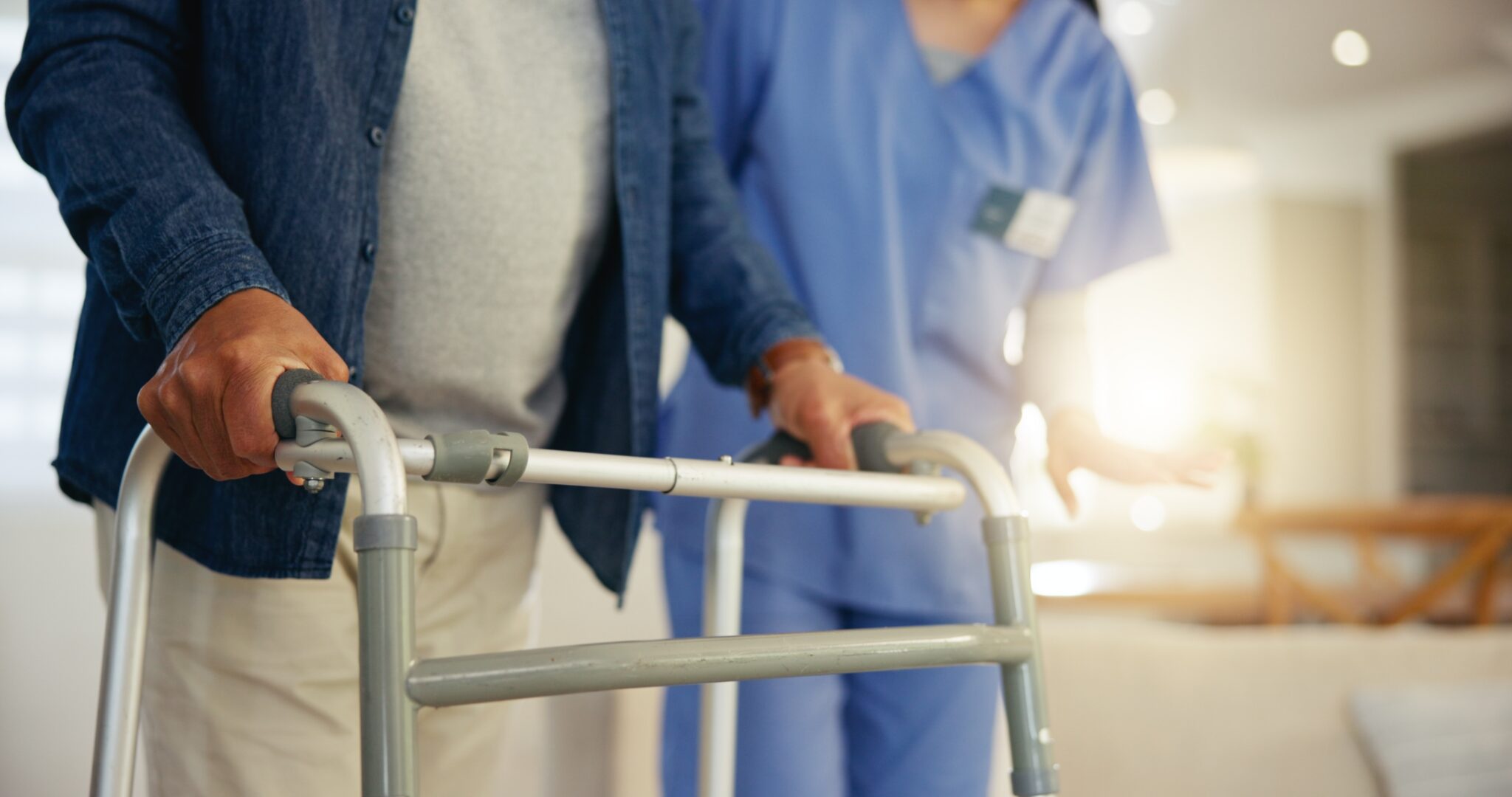
Residents in nursing homes are extremely vulnerable during hurricane season because many rely on electricity for medical equipment and care. If the power goes out, they might not receive the treatment they need.
Nursing homes are required to take safety measures to protect residents during a hurricane, which includes access to an emergency power source. When a nursing home fails to take reasonable precautions, the company may be held responsible.
A nursing home might be considered negligent in situations such as:
- Failure to evacuate residents when required
- Failure to protect residents in hot weather when air conditioning units fail
- Inadequate staff to look after residents during a hurricane
Long & Jean, P.A., has extensive experience in this area. Our team investigates and collects evidence that strengthens a personal injury claim, such as internal safety logs and witness testimony.
Negligent Security During Extended Power Outages
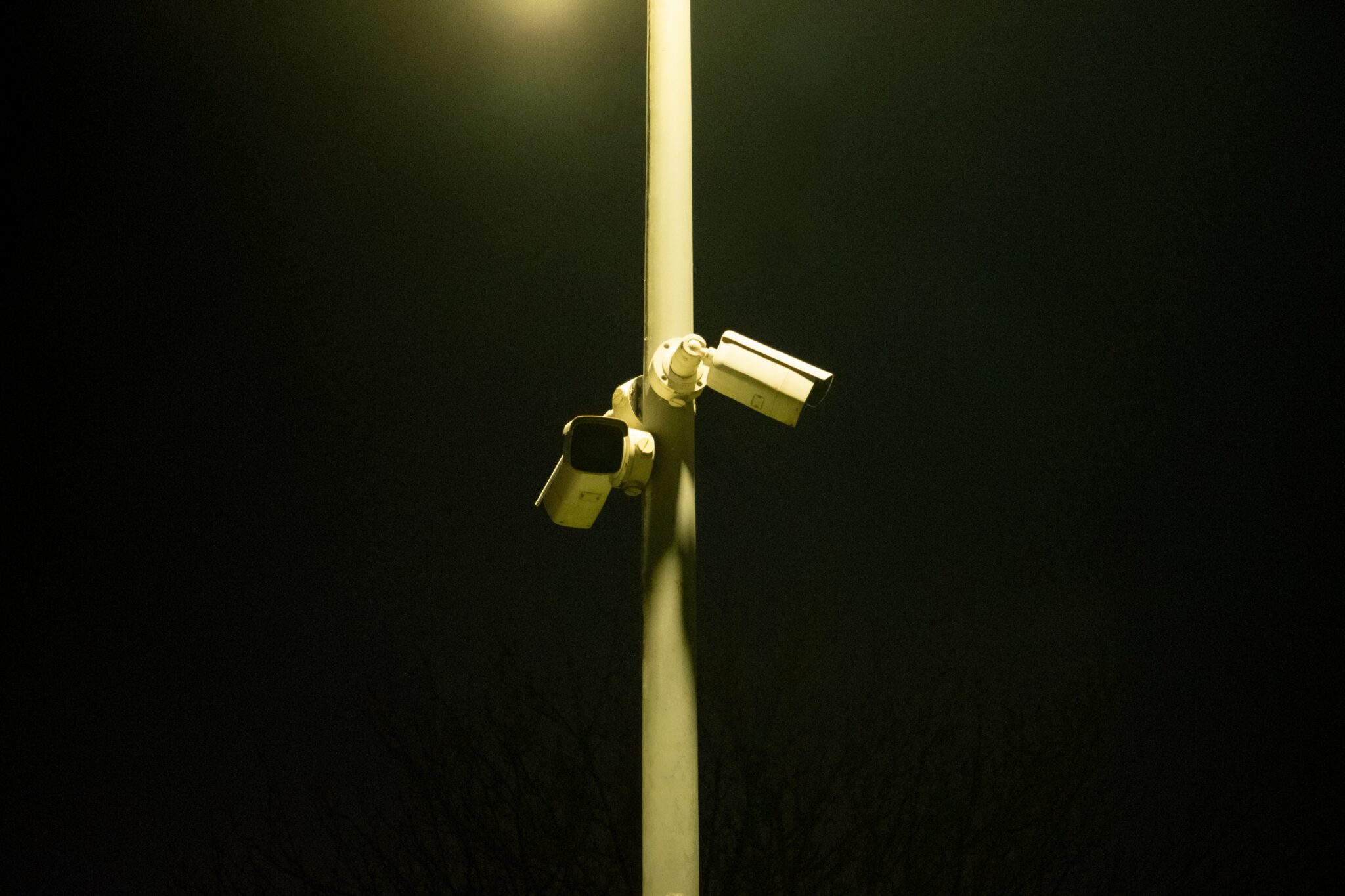
Long periods without electricity can cause security cameras and other equipment to stop working, potentially putting people at risk. For example, a thief might enter a business knowing electronic surveillance is unlikely.
While a property owner isn’t automatically responsible if someone commits a crime on their premises, they are required to take reasonable security measures to protect the public. Failing to do so may result in liability if someone is injured.
This is where a good personal injury lawyer in Broward County comes in. They can review security footage, incident reports, and other evidence to determine what happened and whether negligence played a part.
If you want to take legal action in such a situation, keep in mind that the statute of limitations is two years for filing a personal injury claim in Florida when negligence is involved.
Debris and Unsecured Objects at Apartments, Hotels, and Marinas
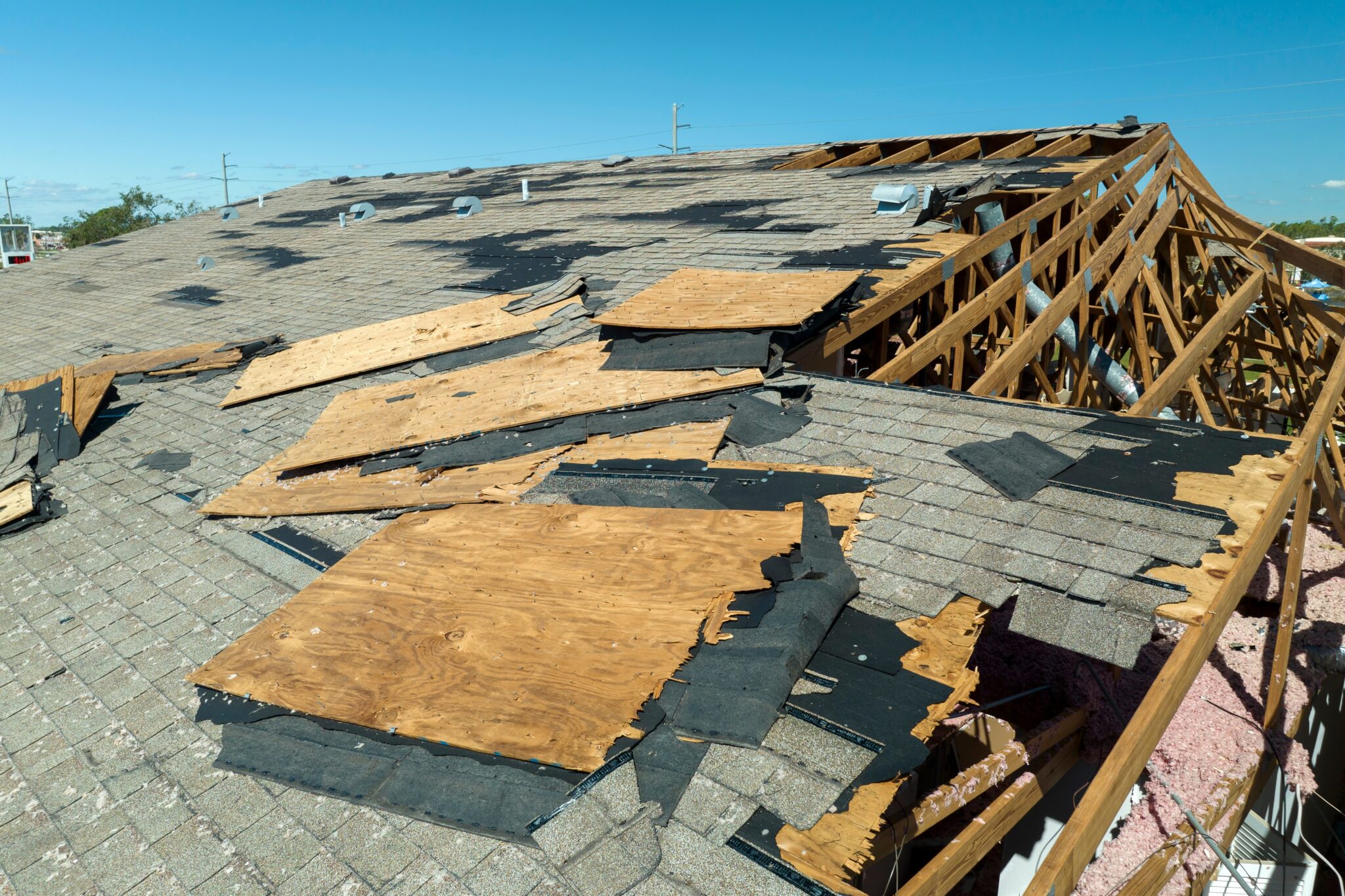
Strong hurricane winds can transform debris and ordinary items like outdoor furniture into wind-blown weapons that cause injuries. Apartments, hotels, and other properties are responsible for securing items before a storm and ensuring safety after a storm. Otherwise, owners might be legally responsible for injuries.
If you’re hurt by storm debris or another object during or after a hurricane, you can pursue compensation for damages such as lost wages and medical bills. Long & Jean, P.A. can file a claim on your behalf and negotiate with insurers for a potential settlement that accurately reflects your injuries.
Post-Storm Contractor and Adjuster Fraud
While Broward County always comes together after a hurricane, occasionally people try to take advantage of the situation. A contractor might agree to make repairs but take payment without finishing the work. Or an insurance adjuster might leave certain damage out of a claim to reduce payments.
There’s also a chance that rushed or inadequate repairs could harm someone. For instance, a contractor might not properly fix a storm-damaged stairway, causing it to give way months later. A personal injury lawyer can pursue compensation if negligence is involved.
Have you been injured in a Broward County hurricane? Long & Jean, P.A. can identify the responsible party and fight for compensation. We work on a contingency-fee basis, which means you don’t pay any attorney’s fees unless we win your case.
Contact us for a free case evaluation.