
Key Takeaways
- 2022 law shifts liability: Florida shields Turo itself; primary claims target the renter/driver’s insurance and any negligent parties.
- Act within 14 days: Seek medical care promptly to preserve PIP rights and file an accident report for damage over $500.
- Gather proof early: Document the vehicle, rental agreement, driver’s app profile, and police report-the details matter more under the new statute.
- Legal strategies remain: Unauthorized drivers, negligent maintenance, or mis-represented insurance can reopen paths to compensation.
Turo Accident Attorney
Have you or a loved one been hurt in an accident involving a Turo rental car? You’re likely wondering who will pay for your injuries. Will it be the renter’s insurance, Turo’s policy, or someone else. In this post, we break down what Florida’s 2022 peer-to-peer car sharing law means for your case and what steps you should take to protect your rights.
Most people are aware that if they’ve been injured in a car accident, they can make a claim on the other driver’s insurance company. This applies whether the driver is the owner of the vehicle or not. However, client-to-client car companies, like Turo, have become more ubiquitous in South Florida, and a relatively new law has made it more difficult to pursue the maximum amount of damages allowed under the law.
If you’ve been in an accident with a Turo peer-to-peer rental car, the personal injury lawyers at Long & Jean, P.A. would like to discuss your claim in a free consultation. While the state law seeks to limit the liability of Turo and other peer-to-peer rental companies, there are provisions in the law that may allow you to receive maximum compensation.
Do I Need My Own Insurance? Turo Says No

Turo’s main page has a Frequently Asked Questions section toward the bottom. One of the questions reads, “Do I need my own insurance?” Turo explains that outside of Maryland, you do not require your own insurance. It goes on to state that you will be allowed to choose between three types of coverage: Premier, Standard, or Minimum. According to Turo’s answer, “With each plan, you’re covered with third-party automobile liability insurance provided under a policy issued to Turo by Travelers Excess and Surplus Lines Company — $750,000 for the Premier plan.”
Turo does mention that your existing personal insurance would “kick in” before the Turo coverage. In other words, if a renter has auto insurance, their policy will pay for the damage to the car they’re renting ahead of the Turo policy. However, their claim is that drivers are covered up to $750,000, even if their limits are much lower. While the company lists several exceptions, they do not mention the state of Florida as one of them. Further details about Turo insurance.
Florida’s Peer-to-Peer Car-Sharing Law
In 2022, the state of Florida passed Florida Statute 628.7483, which is designed to protect peer-to-peer car-sharing program companies and vehicle owners from vicarious liability, meaning that only the vehicle operator can be held liable for accident injuries. Drivers who use peer-to-peer car services in the state of Florida must meet the following qualifications:
- The driver must possess a valid driver’s license
- $10,000 in property damage liability
- Bodily injury coverage for $10,000 per person and $20,000 per crash
- Personal injury protection of $10,000
- Uninsured/underinsured motorist coverage
It’s the responsibility of the peer-to-peer car-sharing program to ensure that the vehicle or driver has the proper coverage during the course of the rental period. This includes verifying that the insurance covers the vehicle or driver and does not exclude car-sharing programs. Additionally, the car-sharing program must ensure that the driver/renter’s driver’s license is valid.
Turo and other apps use third-party license verification sites to verify the validity of their renters’ licenses. More than one driver can drive a car rented by a Turo member as long as they are also approved on the app, have valid driver’s licenses, and meet the owners’ age requirements.
What Happens in the Event of a Turo Car Accident in Florida?
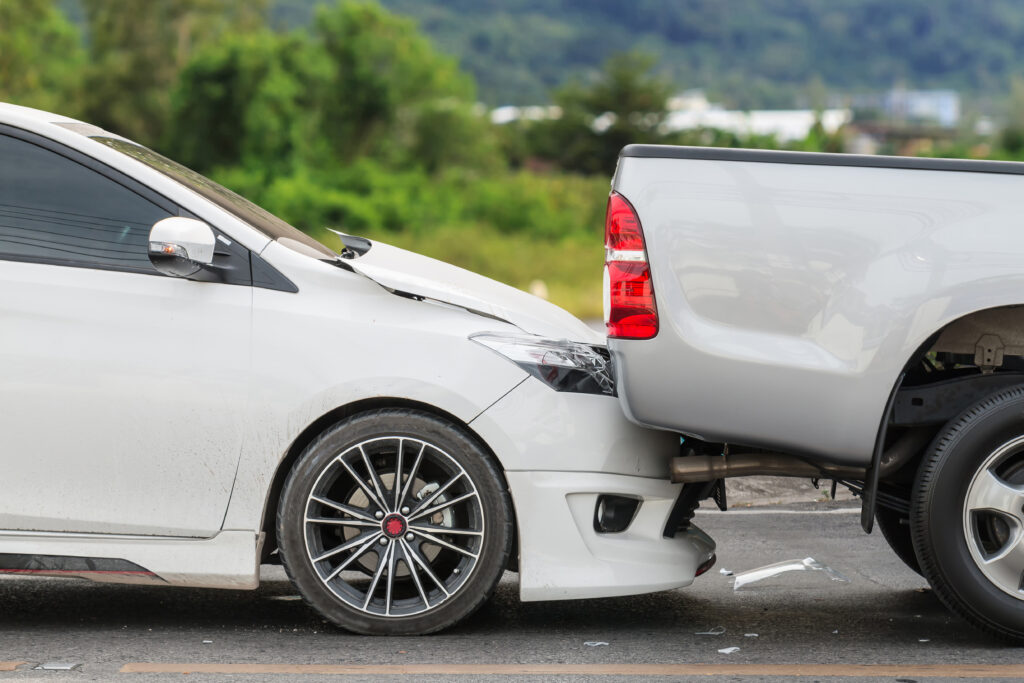
While Turo’s page implies that there is a $750,000 insurance policy covering vehicles registered through the Turo program while under a rental contract, they have been using the 2022 Florida law to avoid liability, referring accident victims to the responsible insurer. For minor claims, accident victims aren’t really affected by this policy. However, damages from injury accidents frequently exceed the $10,000/$20,000 coverage that many drivers opt for. If you’ve been injured in a peer-to-peer rental car accident, it’s to your benefit to speak to an experienced Turo accident lawyer. While the law may seem clear at first glance, there are strategies that a ride-share lawyer with peer-to-peer rental experience can employ to get you a full and fair settlement.
Possible Strategies for a Turo Car Accident Attorney
While Florida law does seek to mitigate the vicarious liability of both the car owner and the peer-to-peer sharing program, it also places the responsibility of verifying insurance and checking the validity of the license on the program.
There have been cases where unlicensed drivers, drivers with suspended licenses, uninsured drivers, and drivers who were not approved through the app have obtained a car through Turo, Kyte, or Getaround and caused an accident with injuries. While the peer-to-peer company may largely be off the hook for drivers who legitimately obtain cars through their app, they may still be liable for allowing an unauthorized driver who injures another party.
What to Do If You’re in a Turo Car Accident
If you’ve been injured in an accident with a peer-to-peer rented car, consider taking the following steps:
- Get to a Place of Safety – You should always ensure your safety and the safety of others, even if you have to move the vehicles before the police arrive.
- Call 911 – Even if you feel fine at the time of the accident, you will require an accident report. Florida law requires a crash report for any damage in excess of $500.
- Get Witness Information – In all accidents, it’s essential to get the contact information for any third parties who may have witnessed the crash.
- Note Which Peer-to-Peer Rental App The Other Driver is Using – Find out the name of the app that the other driver used to obtain the car (i.e. Turo, Getaround, etc.) Note any statements the driver makes, particularly if they admit they aren’t an authorized driver of the vehicle.
- Take Pictures of the Scene – From a position of safety, document everything with your phone camera, including property damage, visible injuries, debris on the roadway, and geographic indicators. Try to include the license plate of the rented vehicle.
- Obtain a Copy of the Agreement – If the other driver acknowledges that they used an app to rent their vehicle, ask them to send you a copy via text or email.
- Get Medical Attention – As with any accident, you should get medical attention immediately. Allow the EMTs to examine you. If necessary, go to the emergency room, but in any event, follow up with your doctor.
Frequently Asked Questions About Turo Accidents

The following questions are commonly asked by accident victims. If you have specific questions about a Turo accident or Turo lawsuit, contact Long & Jean, P.A. for a free consultation with one of our attorneys.

Pompano Beach, FL Turo Accident Attorneys
Because of Florida law, Turo cases can be difficult, but they are not insurmountable. A personal injury lawyer can help you get full and fair compensation for your claim. Contact Long & Jean, P.A. for a free consultation.